
Industries
IndiaMarketEntryforManufacturingCompanies
India's manufacturing sector is expanding across automotive, engineering, electronics and industrial goods, creating opportunities for foreign equipment, components and technical solutions. At the same time, established domestic suppliers, international companies already operating locally, and price-focused competitors make customer selection and positioning critical.
IndiGTM helps manufacturers understand where their capabilities fit, how Indian buyers evaluate suppliers, which route to market makes commercial sense, and how to move from market research to qualified customer opportunities.
WhereManufacturingOpportunitiesAreStrongest
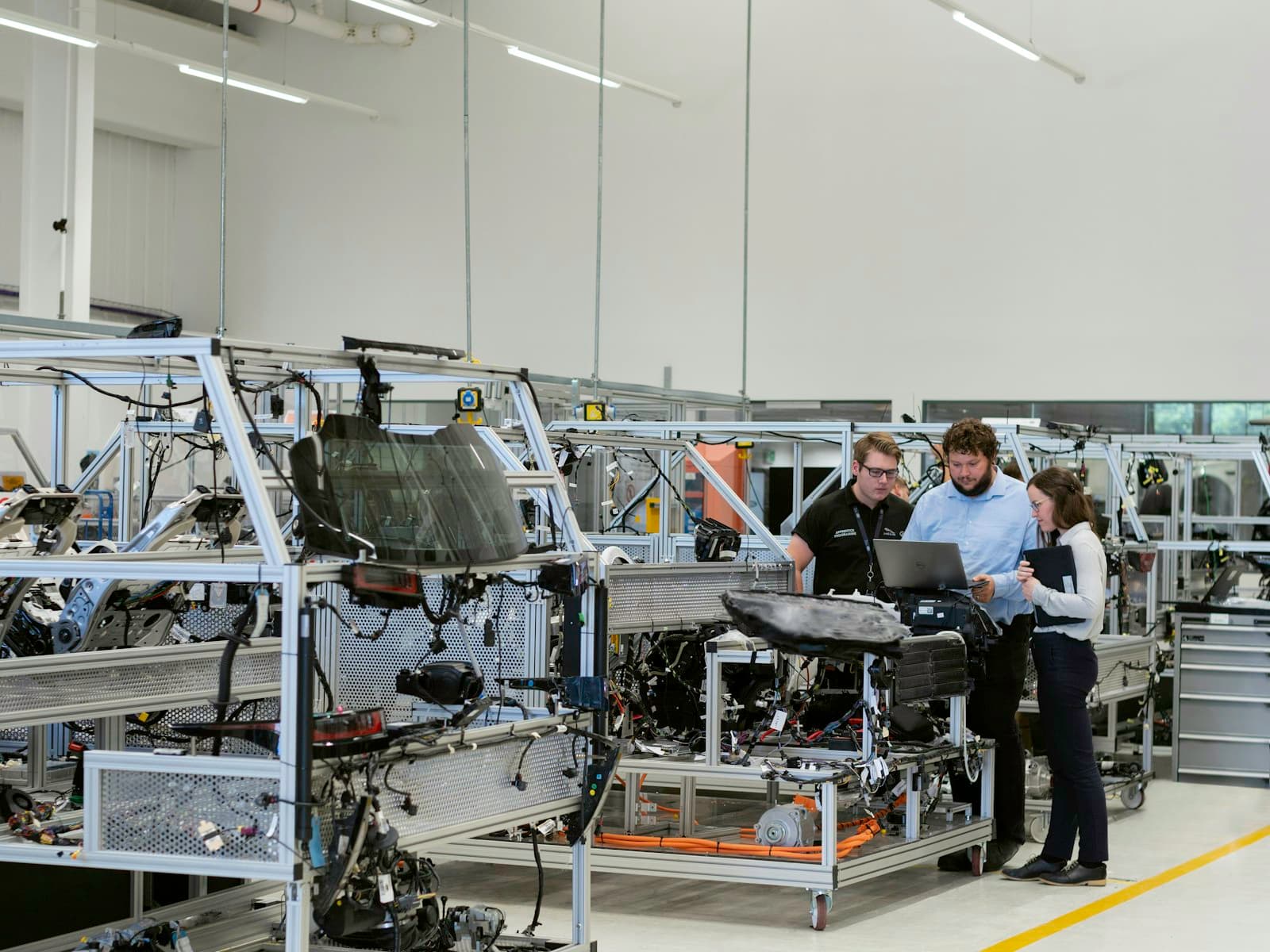
The source highlights capacity expansion, automation and quality upgrades as drivers of demand for foreign equipment, components and technical expertise. The strongest opportunity is where your product provides a meaningful capability gap rather than competing only on price against established domestic manufacturers.
HowIndianManufacturingBuyersMakeDecisions
Manufacturing buyers can be technically rigorous and price-conscious without being driven by price alone. Total cost of ownership, reliability, after-sales support and local service availability matter, especially for capital equipment. Technical teams, procurement and finance may all participate, making larger purchases a multi-stage process.
WhatThisMeansforYourApproach
Build the value case around total cost of ownership.
Prepare technical and commercial stakeholders separately.
Show credible after-sales and local support.
Plan for a multi-month decision process on significant capital purchases.
CompetitiveLandscape
Manufacturers entering India can face three recurring competitive forces: established domestic manufacturers, international suppliers with existing India operations, and lower-priced competitors. Global brand reputation can help, but it does not remove the need to explain why a buyer should switch from an established supplier.
Regulations,Standards&MarketEntryConsiderations
Import duties, product certification requirements — including BIS certification for many categories — and manufacturing-localization incentives can affect the economics of selling imported products. For some categories, local assembly or partnership may become more attractive than pure import. The appropriate model should be assessed for the specific product category.
SelecttheRightManufacturingRoutetoMarket
The source identifies direct enterprise sales for large capital equipment, technical distributors for mid-market components and machinery, and licensing or local assembly where import economics do not work. Product complexity, deal size, duties and price sensitivity should guide the decision.
HowIndiGTMHelps
IndiGTM combines manufacturing-sector research, India-specific GTM strategy, technically capable distributor search, and customer acquisition. The objective is to identify the manufacturers most likely to need your product and build a route to those accounts that fits your economics and level of local support.
WhatYouShouldHaveBeforeEntering
A defined priority segment rather than an assumption that the whole Indian market is your target.
A clear view of the buyer and buying process.
A competitive reason for customers to choose you.
A realistic route-to-market model.
A local delivery, support, partner or service plan appropriate to the category.
A measurable first-stage customer or project acquisition plan.
FAQ
CommonQuestions
The source describes continuing capacity expansion and quality-upgrade investment across manufacturing sub-sectors, while noting that growth and openness to foreign suppliers vary by category.
EnterIndia'sManufacturingMarketWithaPlanBuiltonEvidence
Understand your target sub-sector, buyer requirements, competitive position and route to market before committing significant resources.